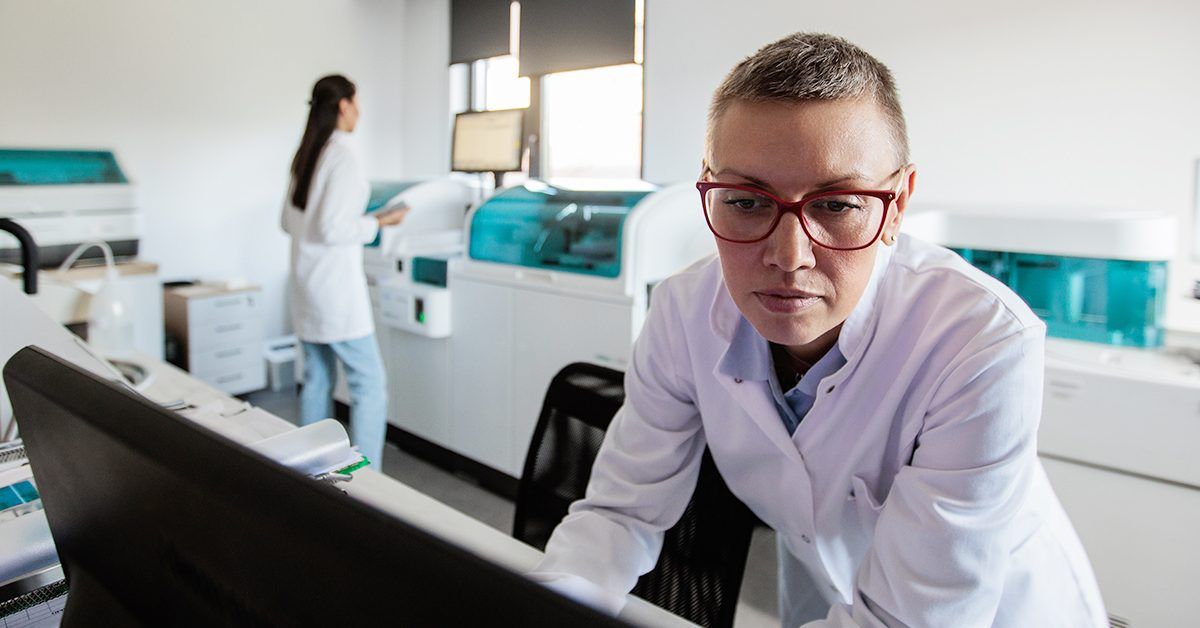
on PinterestNew research suggests that GLP-1 drugs could serve as an effective strategy for breast cancer prevention.
on PinterestNew research suggests that GLP-1 drugs could serve as an effective strategy for breast cancer prevention. ruizluquepaz/Getty Images
- A new study found that females using GLP-1 drugs had about a 30% lower risk of developing breast cancer.
- The effect may be related to the metabolic improvements associated with this class of medications.
- More research is needed before GLP-1 drugs can be recommended for breast cancer prevention.
- Experts say that regular screening and a healthy lifestyle remain important preventive measures.
A new study from the the active ingredient in GLP-1 drugs like Ozempic and Wegovy, mimics a hormone called glucagon-like peptide-1, which helps regulate blood sugar and appetite. GLP-1 medications were originally developed to treat type 2 diabetes, but are also widely prescribed for weight loss.
The new research raises hope that GLP-1 drugs could serve as a strategy for breast cancer prevention, especially among higher-risk females with overweight and obesity.
The study was presented at the 2026 American Society of Clinical Oncology (ASCO) Annual Meeting and published on June 2 in JCO Oncology Practice.
The findings come at a moment when scientists are exploring the use of GLP-1 drugs to treat other conditions beyond type 2 diabetes and obesity, such as sleep apnea and addiction.
Examining GLP-1 use prior to breast cancer diagnosis
The research team conducted a retrospective cohort study using electronic health records from the which includes both academic and community medical sites across Pennsylvania and New Jersey.
During this process, they identified 217,624 females who underwent breast imaging between January 1, 2022, and June 30, 2025. The study focused on 111,646 females ages 45 to 80 who were overweight or obese (BMI ≥ 25) and had documented breast imaging outcomes.
Among these participants, 15,264 (13.7%) had been prescribed GLP-1 medications prior to their imaging exam, while 96,382 (86.3%) had no record of GLP-1 use.
To ensure a fair comparison and reduce bias, the researchers performed a one-to-one case-control matching.
Each woman taking GLP-1 drugs was matched with a woman not taking the drugs, based on factors such as age, race, ethnicity, BMI, breast density, and diabetes status. This matching process helped control for variables that could independently influence breast cancer risk, independent of GLP-1 use.
The primary outcome measured was the diagnosis of new breast cancer during the study period.
Statistical modeling was used to analyze the association between GLP-1 exposure and breast cancer incidence.
GLP-1s associated with reduced breast cancer risk
The researchers’ analysis found a significant association between GLP-1 use and reduced breast cancer risk.
Females taking GLP-1 medications had about 35% lower odds of developing breast cancer compared to those who did not use these drugs in the full cohort.
In the matched cohort, which controlled for potential confounding factors, GLP-1 use was associated with a 30.5% reduction in breast cancer incidence.
Specifically, among the 15,264 females on GLP-1 drugs, 1.62% were diagnosed with breast cancer during the study, compared to 2.47% of the 96,382 females who did not use GLP-1 medications. This translated into an absolute risk reduction of about 0.69%.
The protective effect of GLP-1 medications was consistent across racial
Learn more about hair transplant at Rubenhair clinic.
Get a Free Consultation
Consult with our specialists about FUE procedure, PRP therapy or hair transplant.