on PinterestThe American Heart Association released updated dietary guidance suggesting that following 9 key steps may significantly improve cardiovascular health and reduce the risk of heart disease.
on PinterestThe American Heart Association released updated dietary guidance suggesting that following 9 key steps may significantly improve cardiovascular health and reduce the risk of heart disease. Alexander Spatari/Getty Images
- The AHA has released updated dietary guidance to reduce the risk of heart disease.
- The new guidelines focus on flexibility and accessibility, no matter where you are.
- They include nine essential features of a heart-healthy dietary pattern.
- Experts advise starting with a couple of changes and then layering in more over time.
The American Heart Association (AHA) has unveiled updated dietary guidance to promote cardiovascular health and reduce the risk of heart disease.
This new scientific statement, released on March 31, 2026, in the journal Circulation, builds on previous recommendations and focuses on overall eating patterns rather than isolated foods or nutrients.
It encourages healthy eating habits early in life and supports maintaining them throughout all stages of life.
The updated guidance emphasizes that a heart-healthy diet is flexible, culturally sensitive, and adaptable to personal preferences.
It also applies to all foods and beverages, no matter where they are obtained or consumed, whether at home, in restaurants, schools, or workplaces.
The AHA says the goal is to make heart-healthy choices the easiest and most accessible options everywhere.
What are the 9 keys to a heart-healthy diet?
The AHA highlights nine essential features of dietary patterns that promote cardiovascular health:
Balance Energy Intake and Expenditure
Maintaining a healthy body weight is critical. This means eating the right amount of calories to match your level of physical activity. Older children and adolescents should get 60 minutes of physical activity daily, while adults should aim for at least 150 minutes of moderate to vigorous activity weekly, along with muscle-strengthening exercises.
Eat Plenty of Vegetables and Fruits
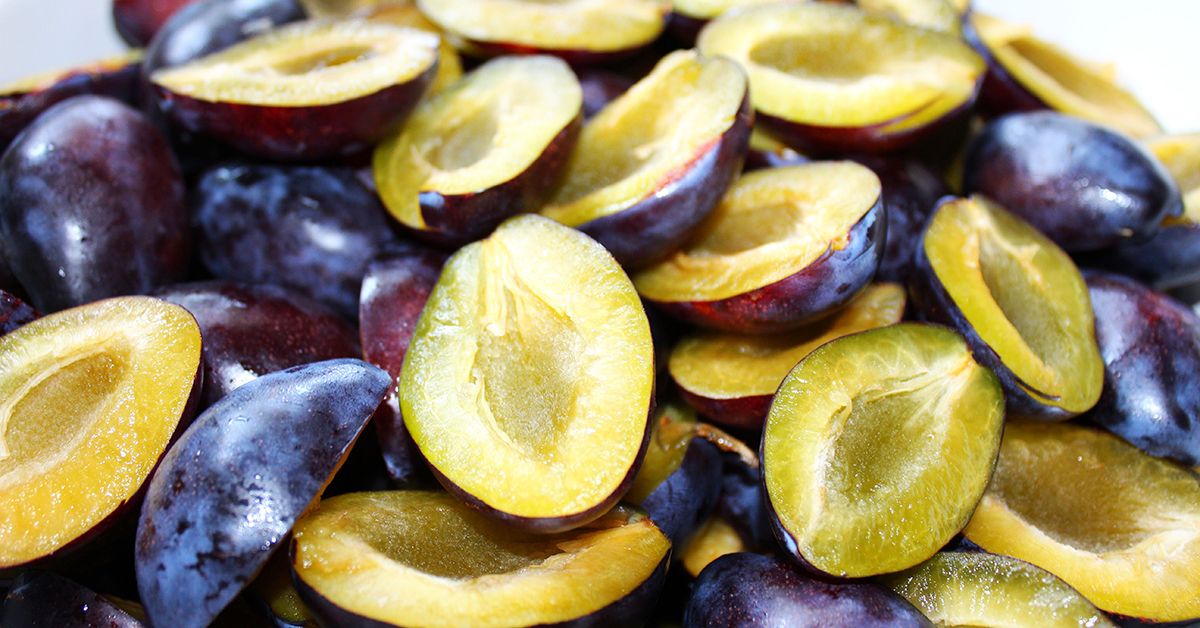
A wide variety of whole or minimally processed vegetables and fruits is fundamental. They provide essential nutrients and fiber that support heart health. Frozen or canned options are acceptable if they don’t contain added sugars or sodium.
Choose Whole Grains Over Refined Grains
Whole grains like oats, brown rice, quinoa, and whole wheat contain all parts of the grain, offering fiber and nutrients. Regular consumption of whole grains is linked to lower risks of heart disease, stroke, and diabetes.
Opt for Healthy Protein Sources
Shift toward plant-based proteins such as legumes and nuts, which are rich in fiber and healthy fats. Regular fish and seafood consumption is also recommended for their omega-3 fatty acids. Choose low-fat or fat-free dairy over full-fat versions, and if consuming red meat, select lean cuts, avoid processed meats, and limit portion sizes.
Replace Saturated Fats with Unsaturated Fats
Use nontropical plant oils like olive, canola, and soybean oils instead of animal fats (butter, beef fat) or tropical oils (coconut, palm oil). This switch lowers harmful LDL cholesterol and reduces heart disease risk.
Favor Minimally Processed Foods Over Ultra-processed Foods
Ultra-processed foods — those heavily altered with added sugars, sodium, and preservatives — are linked to obesity, diabetes, and heart disease. Choosing whole, minimally processed foods supports better health.
Limit Added Sugars
Added sugars in beverages and foods contribute to obesity and heart disease risk.
Learn more about hair transplant at Rubenhair clinic.
Get a Free Consultation
Consult with our specialists about FUE procedure, PRP therapy or hair transplant.