on PinterestObesity accounts for 10% of all new cancer diagnoses in the United States each year, according to a new review.
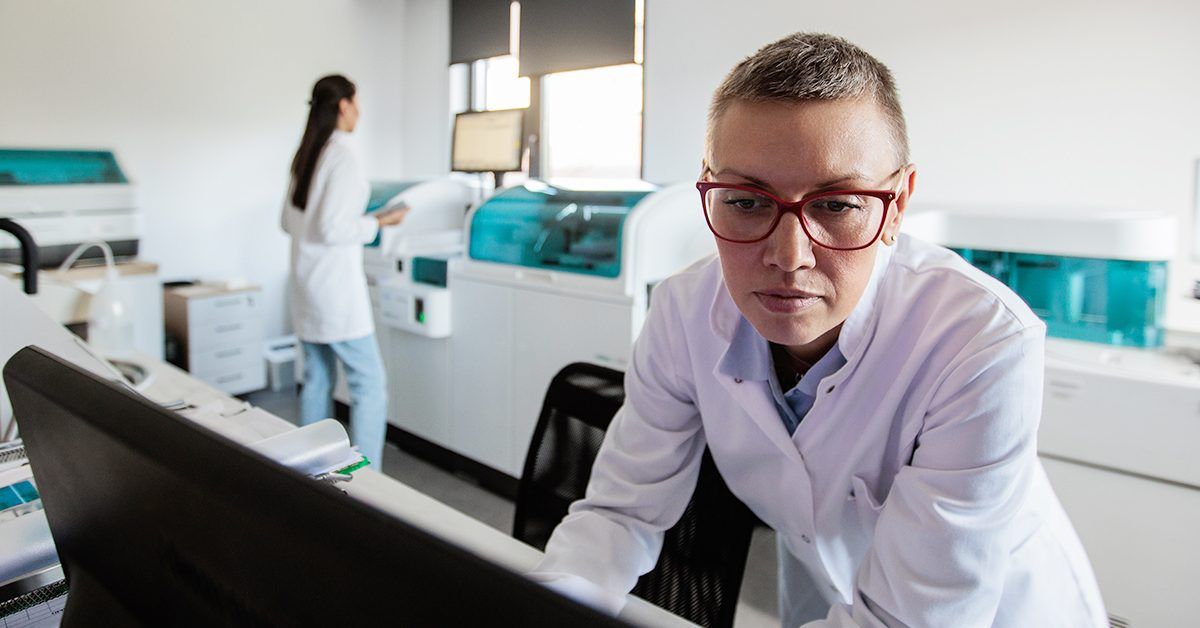
on PinterestObesity accounts for 10% of all new cancer diagnoses in the United States each year, according to a new review. ruizluquepaz/Getty Images
- Obesity is now linked to at least 13 types of cancer, making it one of the most preventable cancer risk factors in the United States.
- Obesity reconfigures bodies at the cellular level, creating an environment where cancer can develop and spread.
- The longer someone has a BMI in the obesity range, the harder it is to reverse the effects.
- Preventing obesity is a more effective cancer-prevention strategy than reversing obesity.
Obesity now accounts for roughly 10% of all new cancer diagnoses in the United States each year, and up to 50% of certain cancers — including endometrial and liver cancer — according to a new review published March 9 in JAMA.
Obesity actively creates the conditions cancer needs to thrive. It is linked to at least 13 cancer types, among them colorectal, pancreatic, ovarian, breast, thyroid, and kidney cancers.
More than 40% of adults and 20% of children were living with obesity in the United States from 2021 to 2023, according to data from the Centers for Disease Control and Prevention (CDC). Obesity is defined as a body mass index (BMI) of 30 or higher.
“It’s almost alarming how much obesity really changes our bodies,” Neil Iyengar, MD, an oncologist at Winship Cancer Institute and co-author of the review, told Healthline.
Obesity’s role in cancer development
The review authors cited inflammation as a key factor driving obesity-related cancer diagnoses.
Overweight and obesity often lead to chronic low-grade inflammation, which can promote tumor growth.
Fat tissue, Iyengar explained, is one of the most common tissues in the body, and most cancers develop either within it or directly beside it, using the inflammation as fuel.
“When you have chronic inflammation for a long period of time, you’re essentially creating an environment in your body that is ripe with growth factors, new blood vessels,” Iyengar said.
“If a cancer cell arises, it can leverage that inflamed environment and use all of those growth factors to grow into a tumor.”
For cancer cells to develop, certain cellular properties are required. Scientists have identified 10 of these properties, which include a cell’s ability to:
- divide without limit
- resist death
- build a new blood supply
- evade the immune system
Additionally, cancer cells can begin to “rewire” their metabolism to use extra energy as fuel, accelerating tumor growth.
Together, these properties create what Iyengar called a “host environment” for cancer to develop and thrive.
“Obesity causes a lot of those properties that lead a cell to become cancerous,” Iyengar said. “Nearly every process that leads to the development of cancer in our bodies is accelerated by obesity.”
Other factors that can be manipulated by obesity to drive cancer growth include:
- DNA damage: This becomes accelerated with obesity and can quickly turn a healthy cell cancerous while simultaneously slowing the body’s ability to repair the cell.
- Immune suppression: Obesity can make natural killer cells and T cells less effective at identifying and destroying abnormal cells before they form into tumors.
- Gut disruption: Extra weight can reduce the beneficial bacteria
Uzziniet vairāk par matu transplantācija klīnikā Rubenhair.
Saņemiet bezmaksas konsultāciju
Konsultējieties ar mūsu speciālistiem par FUE procedūru, PRP terapiju vai matu transplantāciju.