on PinterestYoung adults with a higher risk of metabolic syndrome may benefit from eating nuts, researchers say.
on PinterestYoung adults with a higher risk of metabolic syndrome may benefit from eating nuts, researchers say. fcafotodigital/Getty Images
- A new study suggests that swapping high carb snacks for nuts can help curb sweet cravings.
- Participants at risk for metabolic syndrome who made the switch also tended to increase their protein intake.
- Nuts are high in satiating nutrients like healthy fats, protein, and fiber.
- If you’re allergic to tree nuts, seeds can make a good substitute.
Swapping your usual between-meal snacks for a handful of mixed tree nuts could help cut cravings for sweets and fast food and improve the overall quality of your diet.
That’s according to a new study published on December 2 in Nutrients.
Researchers found that young adults at higher risk for metabolic syndrome who snacked on nuts daily for 16 weeks reported fewer urges for sugary and salty treats, ate more protein-rich foods, and scored better on a measure of diet quality.
Here’s what you need to know about the metabolic health benefits of nut consumption.
Nuts vs. high carb snacks
The research team at Vanderbilt University Medical Center recruited 84 males and females between the ages of 22 and 36.
All participants had at least one risk factor for metabolic syndrome — a cluster of conditions, such as high blood pressure, excess belly fat, and abnormal cholesterol levels, that raise the risk for heart disease and diabetes.
To qualify, participants had to have maintained a stable weight for at least three months and fall within a specific body mass index (BMI) range.
Those with nut allergies, chronic diseases like diabetes, or certain lifestyle factors such as smoking were excluded.
Before the main part of the trial began, everyone went through a two-week “run-in” period, eating a balanced diet that included typical high-carbohydrate snacks but no nuts.
After that, participants were randomly assigned to one of two groups:
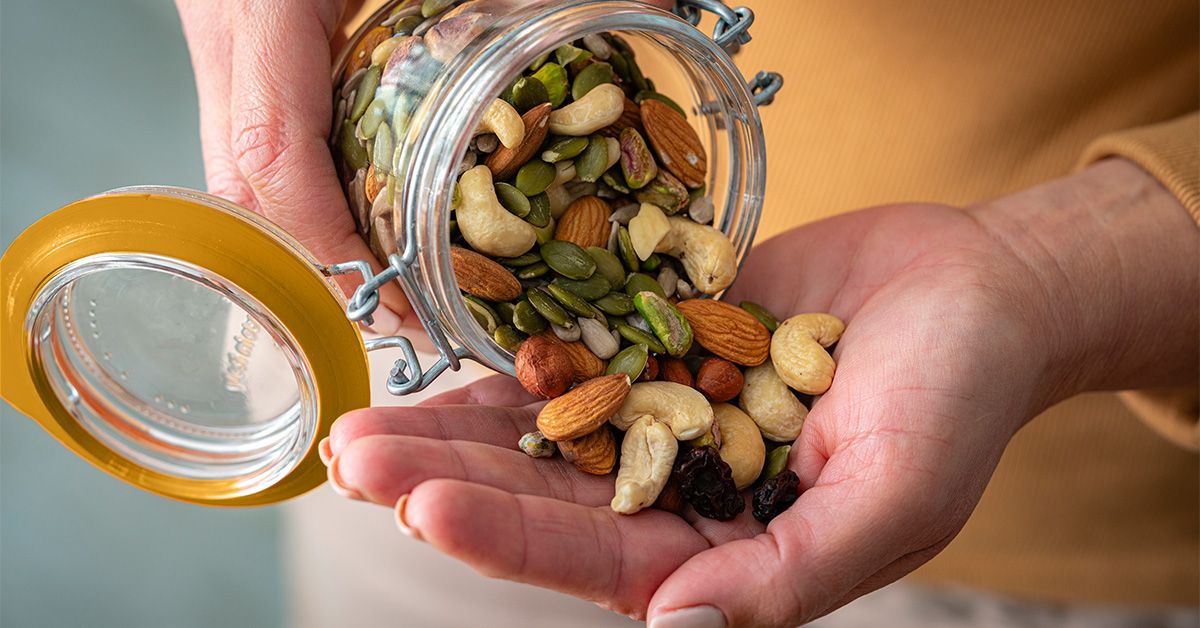
- Tree nuts snack group: Ate a 33.5-gram mix of unsalted raw almonds, walnuts, pecans, macadamia nuts, hazelnuts, pistachios, and cashews twice a day.
- High-carbohydrate snack group: Ate snacks such as pretzels, animal crackers, graham crackers, or granola bars twice a day.
Both snack types were similar in calories, protein, fiber, and sodium, and were eaten between 6:00 a.m. and 6:00 p.m.
Participants met with registered dietitians every two weeks to receive counseling and their pre-portioned snacks.
The study lasted 16 weeks, during which researchers measured food cravings, daily food intake, and overall diet quality at both the start and end. They also collected blood samples to look at hormones related to appetite.
Nuts led to fewer sweet cravings, higher protein intake
By the end of the study, the nut-snacking group showed notable changes in their eating habits and cravings.
Participants who ate tree nuts reported:
- Less craving for sweets and fast food: Ratings for cravings dropped for items like cookies, brownies, donuts, candy, ice cream, chips, and pizza. For example, cravings for brownies fell by nearly half a point on a five-point scale, and cravings for cookies dropped by more than 0.6 points.
- Reduced preference for sweet taste: About 12.5% fewer people in the nut group said
Uzziniet vairāk par matu transplantācija klīnikā Rubenhair.
Saņemiet bezmaksas konsultāciju
Konsultējieties ar mūsu speciālistiem par FUE procedūru, PRP terapiju vai matu transplantāciju.