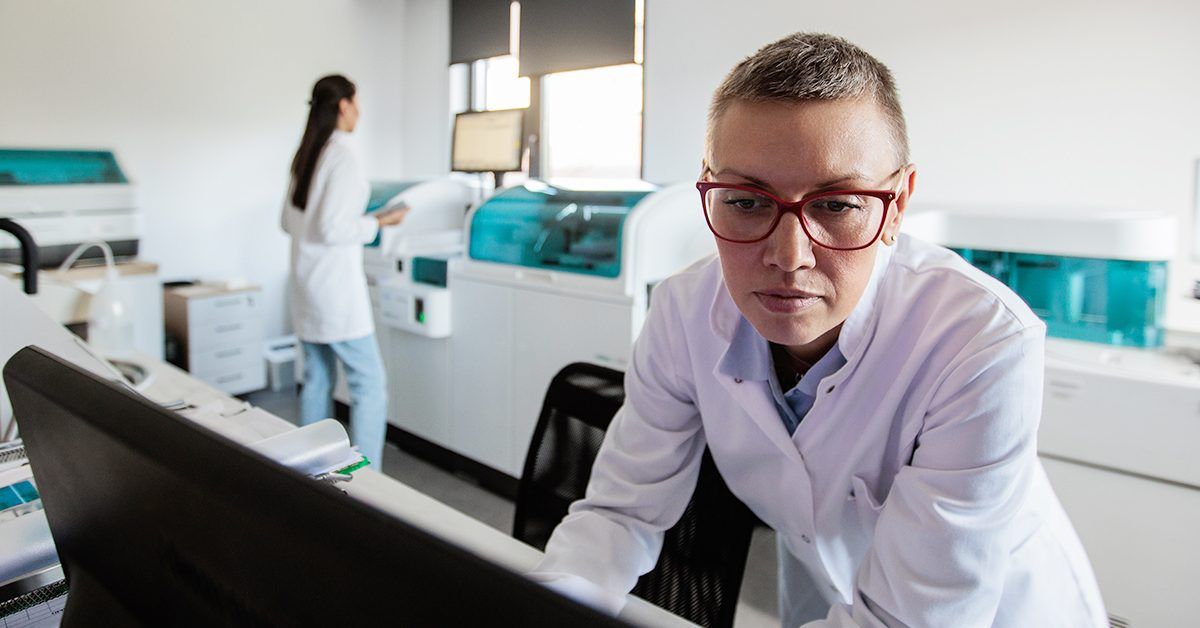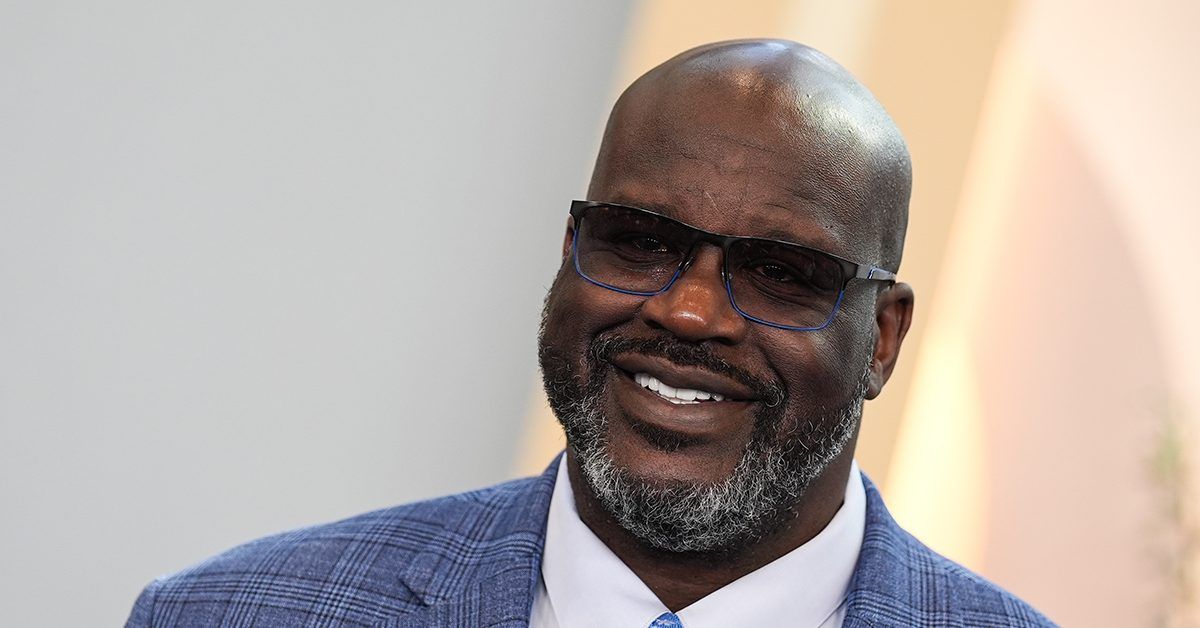
on PinterestAppearance-based social media trends like looksmaxxing, softmaxxing, and hardmaxxing are often framed as self-improvement, but experts say they can contribute to body dysmorphia, anxiety, and even self-harm—especially for young men.
on PinterestAppearance-based social media trends like looksmaxxing, softmaxxing, and hardmaxxing are often framed as self-improvement, but experts say they can contribute to body dysmorphia, anxiety, and even self-harm—especially for young men. Edu Bastidas + David Garcia/Stocksy
- Looksmaxxing, a social media-driven trend encouraging men to aggressively “optimize” their appearance, is gaining popularity.
- It’s related to similar appearance-based trends, like softmaxxing and hardmaxxing.
- While often framed as self-improvement, experts warn these trends can fuel body dysmorphia, anxiety, eating disorders, and even self-harm.
- Young men may be particularly vulnerable due to several factors, including online messaging about masculinity and worth.
A growing trend on social media is encouraging young men to “maximize” their appearance.
Known as looksmaxxing, the trend focuses on pursuing the “ideal” face and body. It follows similar social media trends, known as softmaxxing and hardmaxxing, which encourage everything from intensive grooming routines to cosmetic procedures and extreme body modification.
While proponents say these practices can be empowering, mental health experts warn they can fuel body dysmorphia, anxiety, and other unhealthy behaviors.
Jason Fierstein, MA, LPC, founder of Phoenix Men’s Counseling, said these trends are toxic and harmful.
“Young men fall into this false sense of acceptance, and what they believe women want from them,” he told Healthline. “They can get caught up in potentially lifelong struggles with feeling inadequate and handling that inadequacy.”
He further described looksmaxxing as a “social media-driven body dysmorphia trend.”
“People will focus their energies on improving their physique based on feelings of inferiority or inadequacy,” Fierstein said.
“Men can get caught in a cycle of trying to ‘optimize’ their looks, but as mental health clinicians, we know that if you’re feeling inadequate or inferior, those are the issues to work on with a qualified therapist.”
What are the differences between the looksmaxxing, softmaxxing, and hardmaxxing trends?
While the terminology differs, the trends all have one thing in common: the desire to obsessively change one’s appearance.
“Looksmaxxing is essentially self-improvement put on overdrive. It’s reframing the male physique as something to be engineered,” Fierstein explained.
While softmaxxing involves subtler changes to one’s appearance, often achieved through grooming and lifestyle adjustments, hardmaxxing is more extreme.
“It involves serious methods to change your looks, such as nose jobs, Botox, hair transplants, and chin surgery. The obvious issue with this is that once you open that Pandora’s Box, it’s hard to close the lid,” Fierstein noted.
Christine Ruberti-Bruning, MA, ATR-BC, CEDS, LPC, licensed therapist and certified eating disorder specialist, summed up the differences.
“There’s nothing wrong with wanting to look good, and caring for your appearance can build confidence and be gender affirming. But the big difference is that looksmaxxing is rooted in self-hate and trying to fit in, at the cost of your health and safety,” she pointed out.
“Hardmaxxing, meanwhile, seems to be dipping its toe into self-harm territory, especially some of its associated trends, like smashing your face with a hammer.”
Why looksmaxxing is particularly popular among young men
Why does looksmaxxing seem to be resonating with young men in particular?
Fierstein said young
Uzziniet vairāk par matu transplantācija klīnikā Rubenhair.
Saņemiet bezmaksas konsultāciju
Konsultējieties ar mūsu speciālistiem par FUE procedūru, PRP terapiju vai matu transplantāciju.