on PinterestA new study highlights an environmental risk factor that could be driving early onset lung cancer rates.
on PinterestA new study highlights an environmental risk factor that could be driving early onset lung cancer rates. Natalia Mishina/Stocksy
- A small study found that young non-smokers who eat more fruit, vegetables, and whole grains are more likely to develop lung cancer than the general population.
- The researchers speculate that this could be due to pesticides used on crops.
- The study is small in sample size and does not prove causation, so experts caution against reducing fruits and vegetable intake.
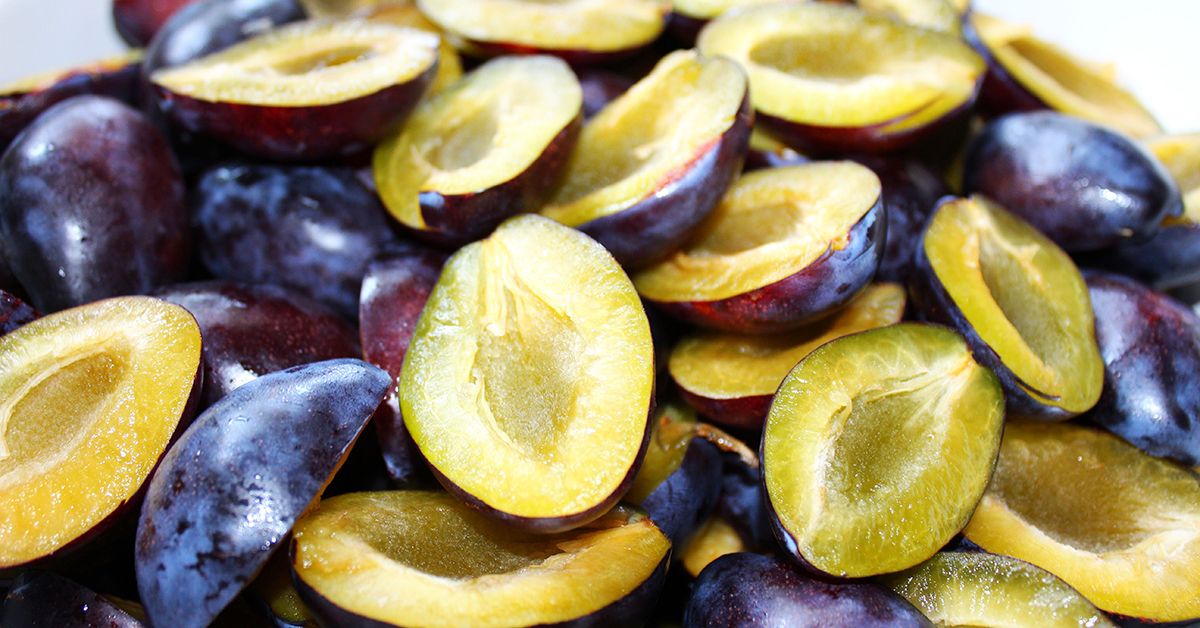
Younger nonsmokers who eat a higher quantity of fruits, vegetables, and whole grains are more likely to develop lung cancer than the general population.
Researchers at the but the authors speculate that their findings may be linked to pesticide use in crops.
“Our research shows that younger non-smokers who eat a higher quantity of healthy foods than the general population are more likely to develop lung cancer,” said Jorge Nieva, MD, a medical oncologist and lung cancer specialist with USC Norris and lead investigator of the study, in a statement.
“These counter-intuitive findings raise important questions about an unknown environmental risk factor for lung cancer related to otherwise beneficial food that needs to be addressed,” Nieva continued.
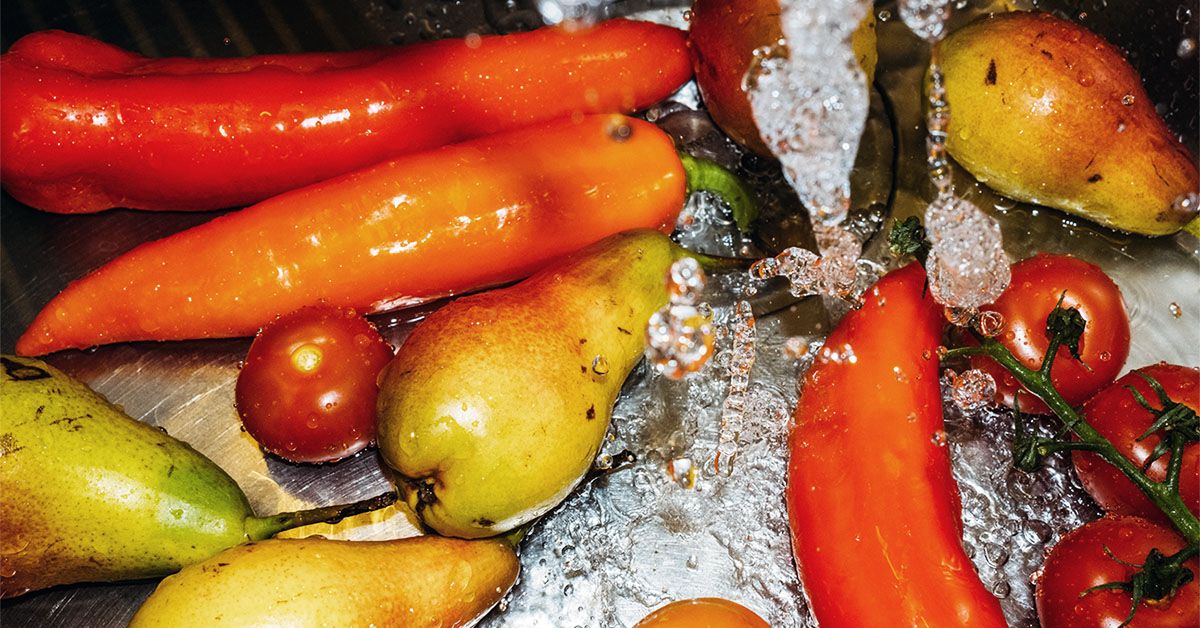
The researchers note that non-organic fruits, vegetables, and whole grains produced commercially typically have higher levels of pesticides than many processed foods, as well as meat and dairy.
Existing research that found agricultural workers who are exposed to pesticides have higher rates of lung cancer may support this theory.
Rates of lung cancer in the United States have been falling since the 1980s, along with rates of smoking. However, this has not been true among non-smokers ages 50 and younger, particularly females. Women in this group are now more likely than men to develop lung cancer.
“This trend is quite concerning. I think it is important for us to better understand through research why non-smokers are getting lung cancer,” Jimmy Johannes, MD, a pulmonologist and critical care medicine specialist at MemorialCare Long Beach Medical Center in Long Beach, California, who was not involved in the research, told Healthline.
Fruits, vegetables, and whole grains linked to lung cancer risk
In undertaking their study, the researchers surveyed 187 patients who received a diagnosis of lung cancer by the time they were 50.
The participants were asked to give details of their smoking history, diet, and demographics.
The majority of those studied reported that they had never smoked and also were diagnosed with a type of lung cancer that is biologically different than the type of lung cancer that is caused by smoking.
The researchers then used the Healthy Eating Index (HEI) to compare the diets of those surveyed with the general U.S. population. The Healthy Eating Index ranks Americans’ diets on a scale of 1-100.
Young, non-smoking patients who had lung cancer had an HEI score of 65 out of 100, compared with the average U.S. score of 57.
The researchers found that women scored higher than men.
On average, those with lung cancer ate more fruit, vegetables, and whole grains
Uzziniet vairāk par matu transplantācija klīnikā Rubenhair.
Saņemiet bezmaksas konsultāciju
Konsultējieties ar mūsu speciālistiem par FUE procedūru, PRP terapiju vai matu transplantāciju.