**Detecting Depression Relapse with Wearable Trackers** Research has shown that wearable trackers may be able to detect depression relapse before it occurs by tracking sleep patterns.
**Detecting Depression Relapse with Wearable Trackers**Research has shown that wearable trackers may be able to detect depression relapse before it occurs by tracking sleep patterns.
Major depressive disorder (MDD), also known as clinical depression, is a common mental health condition characterized by persistent sadness and loss of interest in activities. It can impact mood, behavior, and physical functions. Unfortunately, up to 60% of people with MDD will experience at least one relapse episode in their lifetime.
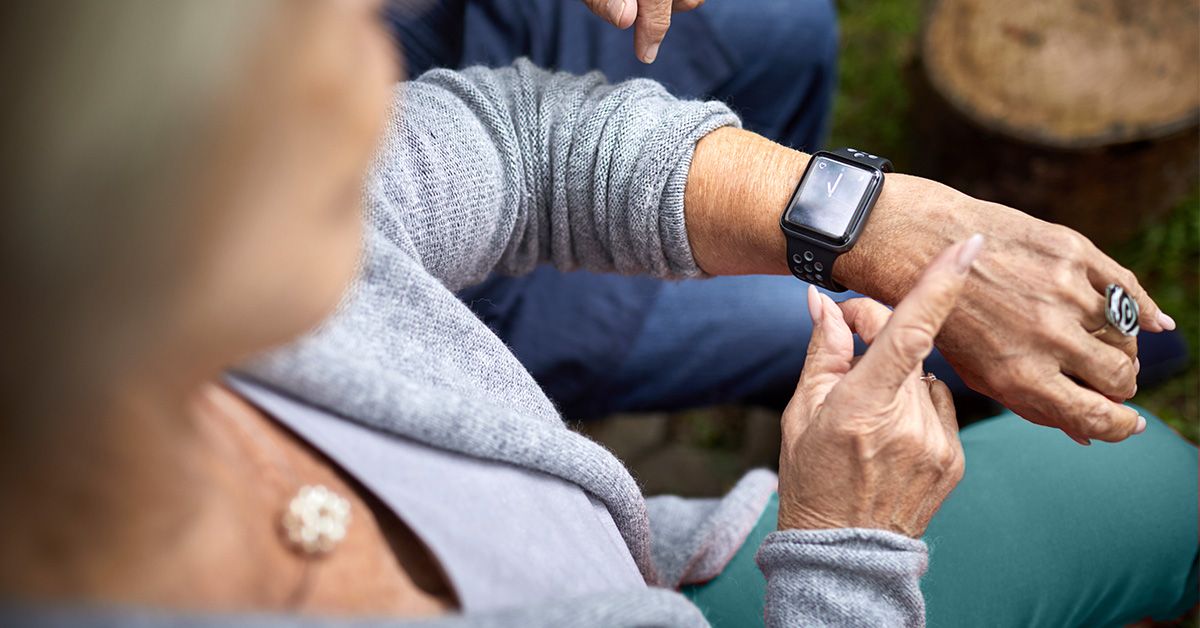
A recent study published in JAMA Psychiatry highlights the potential of wearable trackers in detecting the risk of relapse in individuals with MDD. The researchers used a wrist-worn device to collect data on sleep patterns and activity levels from 93 adults who had previously recovered from depression.
The study found that irregular sleep profiles were associated with nearly double the risk of relapse, while the difference between daytime activity and nighttime rest was also a strong predictor of relapse. The researchers suggest that wearable trackers could detect the probability of a relapse weeks or months before it occurs.
“Advances in digital technology and AI algorithms have great potential for relapse prevention in mental health,” said Benicio Frey, MD, professor at McMaster University and co-author of the study. “Imagine a future where a smartwatch can warn people with depression: ‘A new episode of depression is very likely coming within the next four weeks. How about seeing your healthcare provider?’”
The study's findings suggest that wearable trackers could be a valuable tool in preventing depression relapse by detecting early warning signs and alerting individuals to seek medical attention.
Learn more about hair transplant at Rubenhair clinic.
Get a Free Consultation
Consult with our specialists about FUE procedure, PRP therapy or hair transplant.