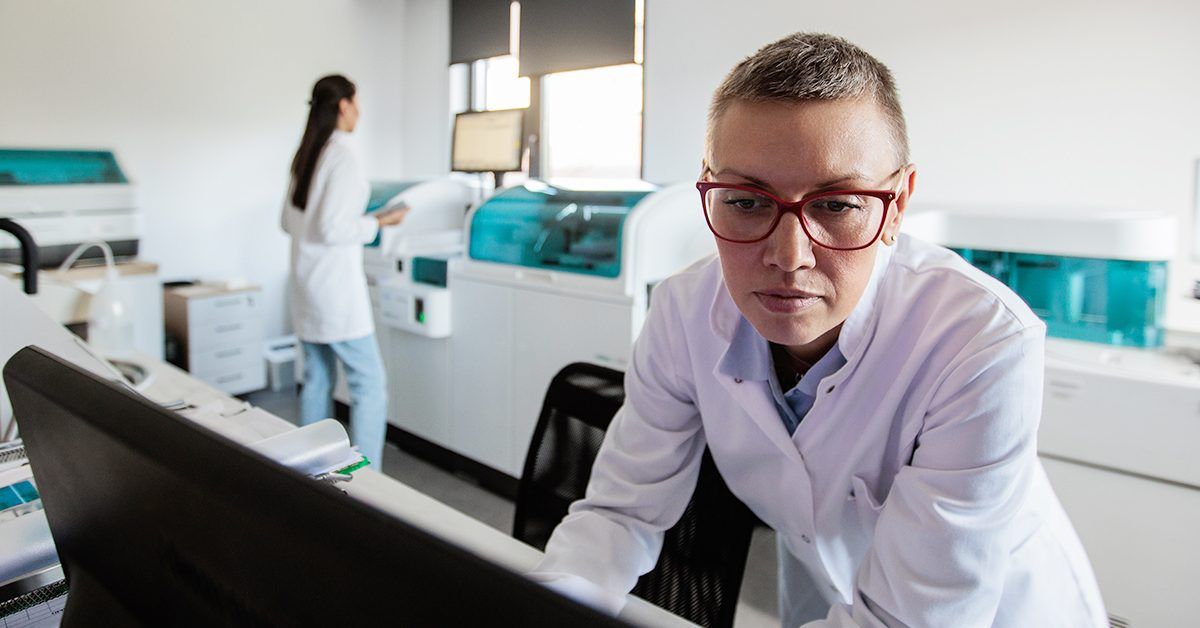
Barbara Roberts has lived with HIV for 30 years. Now, a new FDA-approved medication is changing how she manages it at the age of 74.on PinterestBarbara Roberts (pictured above) was diagnosed with HIV at the age of 44.
Barbara Roberts has lived with HIV for 30 years. Now, a new FDA-approved medication is changing how she manages it at the age of 74.
on PinterestBarbara Roberts (pictured above) was diagnosed with HIV at the age of 44. Today, at 74, she continues thriving with the help of a new FDA-approved medication.In 1996, Barbara Roberts thought she had a bad case of the flu that wouldn’t go away. After several days of experiencing a high fever and sweating, she decided to go to the emergency room, where she was sent home with antibiotics.
“I just still didn’t feel well,” Roberts told Healthline. “And I remember going back to the emergency room.”
She stayed in the hospital for three days while doctors ran tests. On December 21, 1996, Roberts was diagnosed with HIV. She was 44 years old.
“It surprised me because it never occurred to me that that’s what was going wrong with me,” she said. “I was in total shock, disarray, scared to death because back then, it was like a death sentence.”
In fact, in 1996, the total life expectancy for a 20-year-old person with HIV was 39 years. In 2011, the total life expectancy jumped to about 70 years.
Roberts left the hospital with a medication regimen and visited an HIV clinic for guidance.
“Everyone was so nice to me there. They were so kind and calmed all my fears; they tried to at least,” said Roberts.
Initially, her medications helped ease symptoms, and she felt better.
However, a year after her diagnosis, Roberts became extremely tired and experienced shortness of breath and nosebleeds. She also noticed that the skin on her hands and the bottom of her feet darkened.
An intense nosebleed led her back to the ER, where doctors discovered she had significantly low blood platelets. For 25 days straight, she received blood and platelet transfusions in the hospital.
During this time, doctors determined that one of her medications caused her symptoms, and they adjusted accordingly.
“After that, I have never gone back to the hospital or had any problems with my medications, and I’ve had different ones over the years,” said Roberts.
Participating in a clinical trial changed how she manages HIV
In 2021, Roberts’ rheumatologist, Debbie Hagins, MD, medical director of the Coastal CARE Centers in southeast Georgia, asked if she would like to participate in a clinical trial for try Idvynso, a daily two-drug single-tablet treatment for people with HIV who are virally suppressed.
“She explained the medication to me and asked if I would like to be in a study,” said Roberts. “I felt it was a privilege for her to ask me to be in this study.”
She decided to enroll in the clinical trial because she couldn’t pass up the opportunity to take only one medication a day.
“The only thing I remember from initially taking the medication was I had really vivid dreams for about two weeks, and it’s been smooth sailing [since],” said Roberts.
On April 21, 2026, the FDA approved Idvynso.
Roberts continues to participate in the clinical trial as
Uzziniet vairāk par matu transplantācija klīnikā Rubenhair.
Saņemiet bezmaksas konsultāciju
Konsultējieties ar mūsu speciālistiem par FUE procedūru, PRP terapiju vai matu transplantāciju.